

Summer is right around the corner, and while you're probably thinking about vacations, backyard barbecues, and longer days, your home is preparing for something else entirely.
Heat, humidity, severe storms, and increased air conditioning use can all put extra stress on your home during the summer months.
The good news is that a little preventative maintenance now can help you avoid expensive repairs later while keeping your home more comfortable when temperatures start climbing.
At RetroFoam, we spend a lot of time helping homeowners solve comfort and energy efficiency problems. While insulation plays a big role, there are several simple maintenance tasks every homeowner should tackle before summer really heats up.
Whether you're looking for a summer home checklist, trying to lower your cooling bills, or simply wondering how to get your home ready for summer, these tips can help.
Let's look at six summer home maintenance tips that can help your home handle the season a little better.
Key Points to Get Your Home Ready for Summer
• Change your HVAC filter and schedule an air conditioner tune-up before summer arrives.
• Seal air leaks around windows and doors to keep cool air inside.
• Clean gutters and inspect your home for storm damage.
• Trim landscaping to protect your home during severe weather.
• Reduce solar heat gain by blocking sunlight through windows.
• Seal your building envelope with proper insulation and air sealing to improve comfort and efficiency.
Your Summer Home Maintenance Checklist at a Glance
Before we dive into the details, here's a quick summer home maintenance checklist you can use to prepare your home for warmer weather:
✔ Replace HVAC filters
✔ Schedule air conditioner maintenance
✔ Check vents and registers for obstructions
✔ Seal gaps around windows and doors
✔ Inspect weatherstripping
✔ Clean gutters and downspouts
✔ Check your roof for damage
✔ Inspect siding and exterior trim
✔ Trim trees and shrubs near the home
✔ Close blinds during peak sunlight hours
✔ Consider solar screens or exterior shading
✔ Evaluate your home's insulation and air sealing
Taking care of these items now can help you avoid many common summer home problems later.
Why Summer Home Maintenance Matters
Many homeowners don't think about maintenance until something goes wrong.
Unfortunately, summer is often when hidden issues become noticeable.
Small air leaks make rooms feel hotter. Clogged gutters overflow during heavy rain. Tree limbs break during storms. An overworked air conditioner struggles to keep up when temperatures reach their peak.
As temperatures rise, your home's systems have to work harder to maintain comfort. If they aren't prepared, you may end up facing higher energy bills, uncomfortable rooms, water damage, or expensive repairs.
Taking care of these problems before summer begins can save money, reduce stress, and help keep your home comfortable all season long.
1. Make Sure Your Air Conditioner Is Ready for Summer
Your air conditioner is about to become one of the hardest-working systems in your home.
Before summer temperatures arrive, take a few simple steps to make sure it's ready.
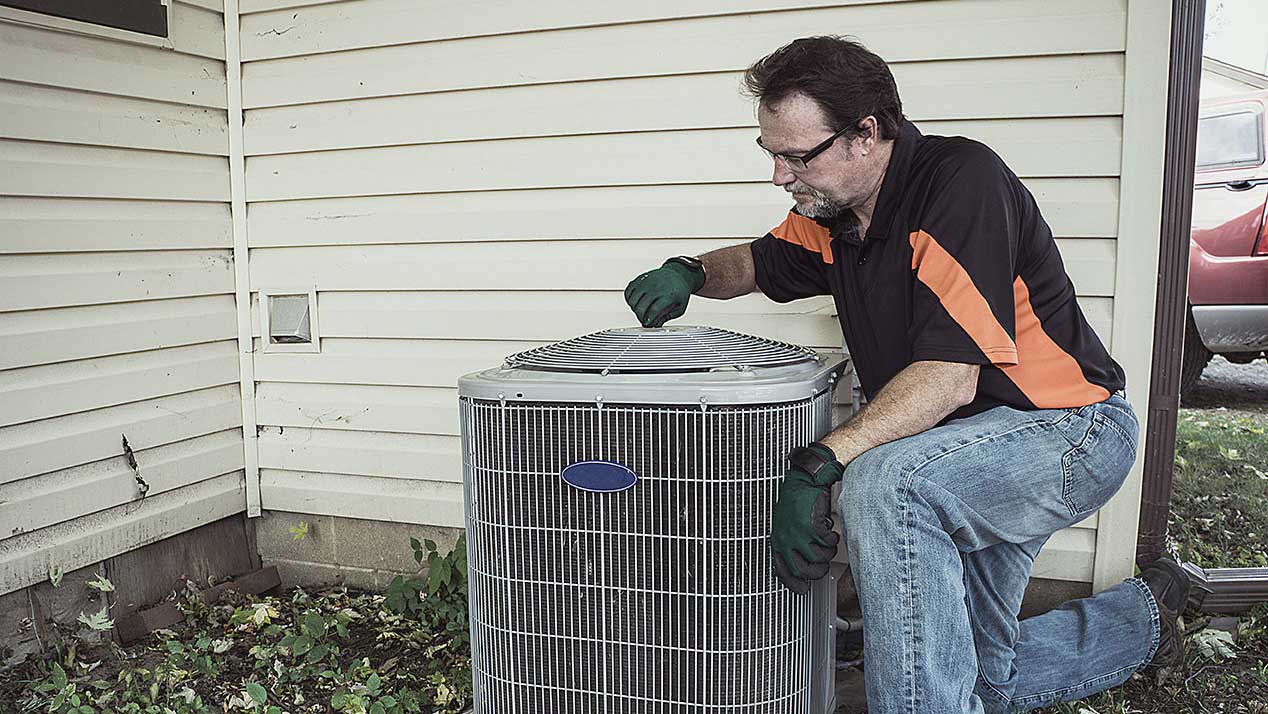
Start by replacing your HVAC air filter if it's dirty. A clogged filter restricts airflow, making your system work harder than necessary.
You should also:
- Check that vents and registers are not blocked by furniture
- Remove debris around your outdoor condenser unit
- Schedule a professional HVAC tune-up
- Test your thermostat to ensure it's working properly, according to Energy Star
A neglected air conditioner uses more energy and often struggles to maintain comfortable temperatures.
Don't Forget About Ceiling Fans
Many homeowners don't realize their ceiling fans should rotate in different directions depending on the season.
During summer, ceiling fans should spin counterclockwise. This pushes air downward, creating a cooling effect that can make rooms feel more comfortable without lowering the thermostat.
This simple adjustment can help improve air conditioning efficiency and reduce cooling costs, according to the U.S. Department of Energy.
2. Seal Air Leaks Around Windows and Doors
If your air conditioner is running constantly but your home still feels warm, air leaks could be part of the problem.
Even small gaps around windows and doors allow conditioned air to escape while letting hot outdoor air sneak inside.
Check for:
- Cracked caulk
- Worn weatherstripping
- Gaps around door frames
- Drafts near windows
Sealing these leaks is one of the easiest and most affordable ways to improve comfort and reduce energy waste.
Think of it this way. Every bit of cool air that escapes is air you've already paid to cool.
If you're looking for ways to keep your house cool in summer, sealing air leaks should be near the top of your list.
3. Clean Gutters and Check for Storm Damage
Summer storms can arrive quickly and bring heavy rain, strong winds, and hail.
That's why cleaning your gutters before storm season ramps up is so important.
When gutters become clogged with leaves and debris, water can't drain properly. Instead, it can overflow and create problems for your:
- Roof
- Siding
- Fascia
- Foundation
- Landscaping
While you're cleaning gutters, take a few minutes to inspect your home's exterior.
Look for:
- Missing or damaged shingles
- Loose flashing
- Cracked siding
- Damaged trim
- Signs of previous storm damage
Finding small issues now can prevent larger and more expensive repairs later.
This type of summer storm preparation can save homeowners thousands of dollars in avoidable damage.
4. Trim Landscaping Around Your Home
Your landscaping can add beauty and curb appeal, but overgrown trees and shrubs can also create problems.
Branches hanging over the roof can scrape shingles, damage gutters, and pose a danger during high winds.
Large shrubs growing against the house can trap moisture and create ideal hiding places for pests.
Before summer storms arrive:
- Trim tree limbs away from the roof
- Remove dead branches
- Cut back overgrown bushes
- Clear vegetation away from siding and foundation walls
This simple summer house maintenance task helps protect your home while reducing the risk of storm-related damage.
It can also improve airflow around your home and discourage insects and rodents from nesting near the structure.
5. Block Heat From the Sun
One of the easiest ways to keep your home cooler during the summer is to reduce heat gain through your windows.
Direct sunlight can dramatically increase indoor temperatures, especially in rooms with large south-facing or west-facing windows.
A few ways to block unwanted heat include:
Close Blinds and Curtains
Keep blinds and curtains closed during the hottest part of the day, especially on windows that receive direct sunlight.
Install Solar Screens
Solar screens help reduce the amount of heat entering through your windows while still allowing natural light inside.
Consider Exterior Shading
Trees, awnings, pergolas, and exterior shades can all help block sunlight before it reaches your windows.
Reducing solar heat gain means your air conditioner doesn't have to work as hard to keep your home comfortable.
If your goal is to lower summer energy bills, this is one of the easiest changes you can make.
6. Seal Your Building Envelope
If you've completed all of these summer home maintenance tasks and your home still struggles to stay comfortable, the issue may be deeper than routine maintenance.
Your home's building envelope could be allowing outside air to move freely in and out of the house.
The building envelope includes:
- Exterior walls
- Attic
- Rim joists
- Crawl spaces
- Basements
- Windows and doors
When this barrier isn't properly sealed, hot outdoor air can enter while conditioned air escapes.
This forces your air conditioner to work harder and longer, which can increase energy bills and create uneven temperatures throughout the home.
Many homeowners assume their air conditioner is the problem when certain rooms won't stay cool. In reality, the issue is often uncontrolled air movement throughout the home.
If hot outdoor air can enter through gaps in the building envelope, your cooling system is fighting an uphill battle all summer long.
How Foam Insulation Helps
Unlike traditional insulation materials that primarily slow heat transfer, foam insulation also creates an air seal.
This helps:
- Reduce air leakage
- Improve indoor comfort
- Lower energy consumption
- Minimize drafts
- Reduce strain on HVAC equipment
Many homeowners are surprised to learn that air leakage, not just insulation levels, plays a major role in summer comfort problems.
If you're wondering why your house is hot in summer despite running the AC, poor air sealing may be part of the answer.
Why Spring and Early Summer Are Great Times for Insulation Projects
If insulation upgrades are on your to-do list, now is often an ideal time to schedule the work.
Many contractors have more availability before peak summer demand arrives. Completing insulation improvements before the hottest weather hits means you can start enjoying the benefits sooner.
What Happens When You Skip Summer Home Maintenance?
Skipping routine maintenance may save time today, but it can create much larger problems later.
Without regular summer home preparation, homeowners often experience:
Higher Energy Bills
Dirty HVAC filters, air leaks, and inadequate insulation can force your cooling system to run longer and more frequently.
Increased Wear and Tear on Equipment
An overworked air conditioner is more likely to require repairs or replacement sooner than expected.
Water Damage
Clogged gutters and drainage issues can lead to roof leaks, foundation problems, and siding damage.
Storm-Related Repairs
Loose shingles, damaged siding, and overhanging branches can become major hazards during severe weather.
Hot and Uncomfortable Rooms
Air leaks and poor insulation can create uneven temperatures throughout the home.
More Pest Activity
Overgrown landscaping and exterior gaps can make it easier for insects and rodents to find their way inside.
A little maintenance now is often much cheaper than dealing with these problems later.
A Little Maintenance Today Can Prevent Big Problems Tomorrow
Following a summer home maintenance checklist is one of the easiest ways to protect your investment, improve comfort, and avoid unexpected repair costs during the hottest months of the year.
Simple tasks like servicing your air conditioner, sealing air leaks, cleaning gutters, trimming landscaping, and blocking solar heat gain can go a long way toward protecting your home and improving comfort.
But if your home still feels hot, humid, or uncomfortable despite your best efforts, it may be time to look at the bigger picture.
A properly sealed building envelope helps everything else work better. Your air conditioner doesn't have to run as often, indoor temperatures stay more consistent, and your home becomes more comfortable during even the hottest days of summer.
The best way to get your home ready for summer isn't just about fixing problems. It's about preventing them before they start.
If you're looking for more ways to improve comfort and energy efficiency, be sure to explore our Learning Center, where you'll find educational articles and videos designed to help you make informed decisions about your home.
Related Articles
Summer Energy Rates Are Rising: How Peak Energy Hours Affect Your Electric Bill
Why is My House So Hot Upstairs: A Comprehensive Analysis
Insulation or HVAC? Three Reasons to Prioritize Insulation First

Frequently Asked Questions
What should I do to get my home ready for summer?
Start by servicing your air conditioner, changing HVAC filters, sealing air leaks, cleaning gutters, trimming landscaping, and checking your home's insulation.
These steps can improve comfort and help prevent costly repairs.
What should be included in a summer home maintenance checklist?
A summer home maintenance checklist should include HVAC maintenance, gutter cleaning, roof inspections, landscaping maintenance, air sealing, weatherstripping inspections, and insulation evaluations.
How can I keep my house cooler during the summer?
Keeping blinds closed, sealing air leaks, improving insulation, changing HVAC filters, and maintaining your air conditioner can all help keep your home cooler while reducing energy use.
Why is my house still hot even when the AC is running?
Air leaks, poor insulation, solar heat gain, duct issues, and HVAC problems can all contribute to an uncomfortable home.
In many cases, the issue is related to air sealing and insulation rather than the air conditioner itself.
Why are some rooms hotter than others in the summer?
Uneven temperatures can be caused by air leaks, poor insulation, inadequate airflow, solar heat gain, or HVAC system issues.
Does insulation help keep a house cool in the summer?
Yes.
Insulation helps slow heat transfer, while foam insulation also creates an air seal that reduces infiltration of hot outdoor air.
Can sealing air leaks lower my energy bills?
Yes.
Air leaks allow conditioned air to escape and outdoor air to enter. Sealing those leaks can help your HVAC system operate more efficiently, potentially reducing energy consumption and utility costs.
When should I schedule insulation work?
Spring and early summer are often excellent times to schedule insulation projects because contractor schedules may be less busy before peak summer demand begins.