

If you’ve been researching insulation options, you’ve probably noticed one thing pretty quickly: the industry loves buzzwords.
Open cell. Closed cell. Spray foam. Hybrid systems. And then there’s one that sounds a little flashy – flash and batt insulation.
It sounds cool. But what is flash and batt insulation really? And more importantly, is it a good idea for your home?
Let’s break it down in plain English so you can decide if this insulation method makes sense for your project – or if it’s one of those ideas that sounds better on paper than it performs in real life.
Key Points: Flash and Batt Insulation
• Flash and batt insulation combines a thin layer of closed cell spray foam with fiberglass batts.
• It’s commonly used in new home construction and remodeling projects.
• The goal is to create an air seal with foam and boost R-Value with fiberglass.
• Flash and batt can meet code, but only if it’s installed perfectly.
• Common flash and batt insulation problems include air leakage, moisture issues, and wasted cost.
• In many cases, fiberglass adds expense without improving performance.
• If corners are cut, flash and batt can cause long-term comfort and moisture problems.
What is Flash and Batt Insulation?
Flash and batt insulation is a hybrid insulation system.
Here’s how it works:
- A contractor sprays a thin “flash” layer of closed cell spray foam, usually about 1 to 2 inches.
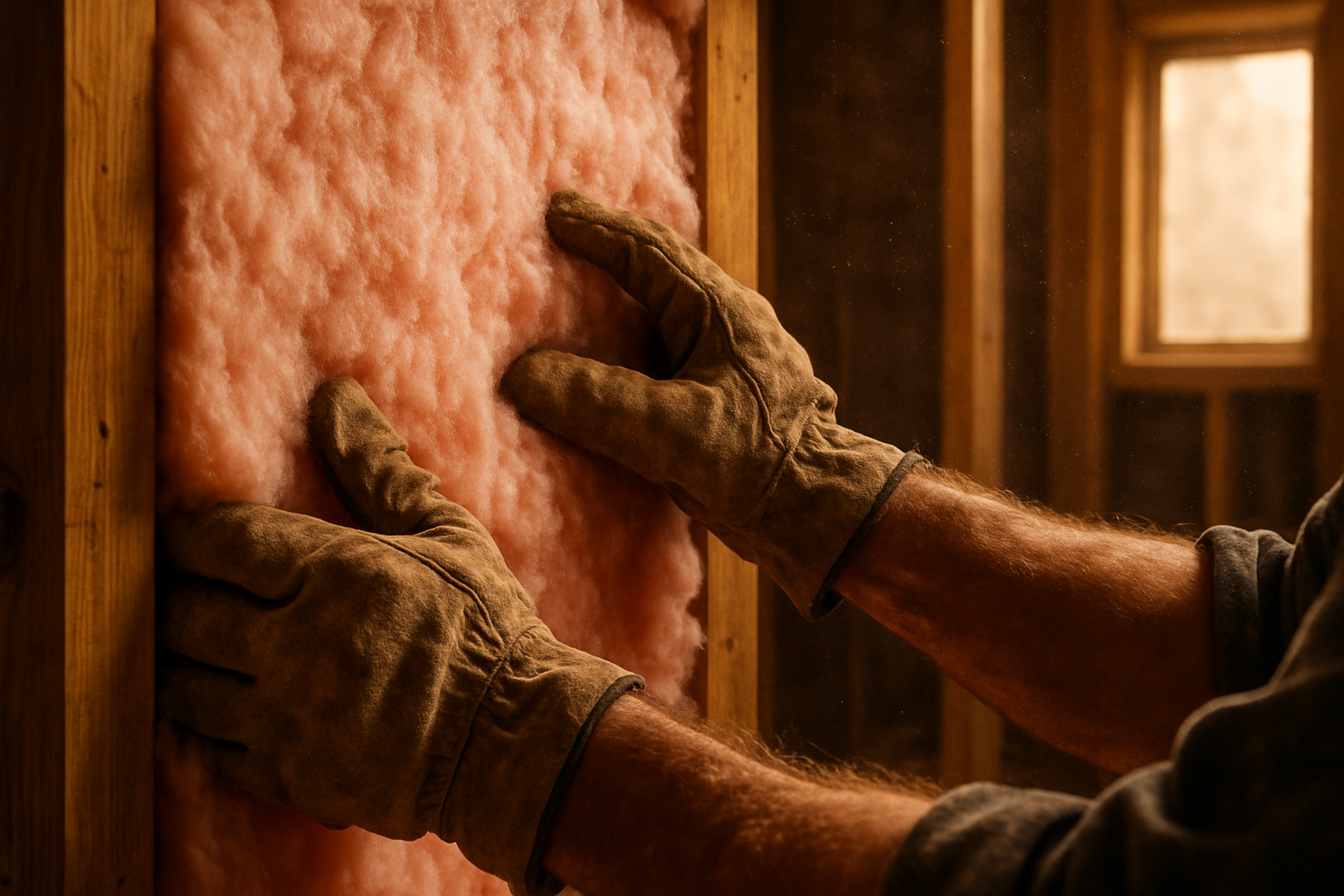
- The fiberglass batt insulation is then installed over the foam inside the wall cavity.
This method is most often used in:
- New home construction
- Remodeling projects
- Wall cavities, not typically attics or crawl spaces
The idea is that the spray foam handles air sealing, while the fiberglass increases the overall R-Value to meet building code.
Sounds reasonable, right? In theory – yes. In practice, it’s more complicated.
A Quick Refresher: What Does R-Value Really Mean?
R-Value measures an insulation material’s ability to resist heat flow.
A higher R-Value means better resistance to heat transfer.
But here’s the catch: R-Value does not measure air movement. And air movement is a big deal.
In fact, up to 40 percent of a home’s energy loss comes from air leaking in and out of the building envelope, not from heat moving straight through materials.
That’s where foam insulation shines. Spray Foam doesn’t just insulate; it creates an air seal, which R-Value alone doesn’t account for.
Flash and batt tries to combine the best of both worlds, but that only works if everything goes exactly right.
Why Builders Use Flash and Batt Insulation
Flash and batt is popular with some builders and contractors for a few reasons.
- It’s cheaper than full spray foam
- It can meet prescriptive building code
- It sounds like a smart “hybrid” solution
To be fair, there are some legitimate advantages and disadvantages to the flash and batt method.
Flash and Batt Insulation Pros
Lower Upfront Cost Compared to Full Spray Foam
- Uses less spray foam than a full foam installation
- Typically costs less than insulating entirely with spray foam
- Can be appealing for budget-conscious builds and large new construction projects
Can Meet Prescriptive Building Code
- When installed correctly, flash and batt meets required R-Value targets, thus satisfying prescriptive code requirements
- Commonly used in new home construction and remodeling projects
Hybrid Approach to Insulation
- The flash and batt method combines closed cell spray foam for air sealing and fiberglass batts for thermal resistance
- Offers a “best-of-both-worlds” concept on paper
Familiar Installation Method for Builders
- Uses materials that many contractors already work with
- Often fits easily into existing construction workflows and standard wall cavity designs
Can Improve Performance Compared to Fiberglass Alone
- When installed properly, air leakage is reduced compared to fiberglass-only walls
- Overall comfort can improve
When installed perfectly, flash and batt can provide both an air barrier and a thermal barrier.
That “perfectly” part is where things tend to fall apart.
Flash and Batt Insulation Problems (the Cons)
Air Seal Isn’t Always Created
- Often, only 1 inch of closed cell foam is applied
- That’s not enough to create an air seal, which results in continued air leakage, reduced energy efficiency, and wasted insulation investment
Increased Risk of Moisture Problems
- Without a full air seal, warm and cool air meet inside the wall cavity
- Condensation can form inside the wall, and the fiberglass will absorb and hold that moisture
- Moisture issues in the wall lead to mold growth, lower insulation performance, and indoor air quality concerns
Added Cost Without Added Benefit
- Once spray foam creates an air seal, the fiberglass doesn’t stop air movement, manage moisture, or improve comfort
- The added fiberglass only increases the cost without improving performance
High R-Values Don’t Equal High Performance
- Flash and batt may hit prescriptive R-Value numbers, but if air leaks continue, the comfort issues will persist, and energy savings fall short
- Performance depends on air sealing, not just the R-Value
Closed Cell Spray Foam Can Be Too Rigid for New Homes
- Closed cell foam is rigid and inflexible
- New homes settle and shift over time, which means it will pull away from framing, create gaps, and reintroduce air leakage
Is Flash and Batt Insulation a Good Idea?
In theory? Yes.
In reality? It depends heavily on execution.
For flash and batt insulation to work as intended:
- The foam must be sprayed thick enough to create a real air seal
- The fiberglass must be installed perfectly without any gaps
- No shortcuts can be taken
That requires a high level of skill – and complete trust in the contractor.
Unfortunately, cutting corners is not uncommon, and the homeowner often doesn’t know there’s a problem until years later.
Do You Need Flash and Batt in Order to Meet Code?
No.
Spray foam insulation on its own can meet building code requirements for:
- New construction
- Remodeling projects
- Wall assemblies
When properly designed, a foam-only approach often provides:
- Better air sealing
- More consistent performance
- Fewer long-term risks
Is Fiberglass Necessary When Using Spray Foam?
Once a proper air seal is created with spray foam, fiberglass typically doesn’t add meaningful performance benefits.
If you want to learn more about building science, insulation options, and ways to make your home more comfortable and energy efficient, check out our Learning Center. You’ll find articles and videos that break down insulation, foam products, and home performance without the fluff.
Related Articles
What Homeowners Often Misunderstand About Insulation R-Value
R-Value vs. Air Sealing: What Homeowners Need to Know About Insulation
The Magic Number: How Thick Should Spray Foam Insulation Be?

FAQs About Flash and Batt Insulation
What is flash and batt insulation used for?
Flash and batt insulation is most commonly used in wall cavities during new home construction or remodeling projects as a way to combine spray foam air sealing with fiberglass R-Value.
Is flash and batt insulation cheaper than spray foam?
Yes, upfront costs are usually lower than spray foam insulation alone, but long-term performance issues can reduce energy savings.
What are the biggest flash and batt insulation problems?
Common problems include insufficient air sealing, moisture buildup, mold risk, wasted cost, and performance issues caused by improper installation.
Does flash and batt insulation prevent air leakage?
Only if enough closed cell spray foam is applied.
In many cases, too little foam is used to create a true air seal.
Is fiberglass necessary when using spray foam?
Once a proper air seal is created with spray foam, fiberglass typically doesn’t add meaningful performance benefits.