

Work from home jobs and remote work aren’t just trends anymore – they’re a reality for millions of homeowners.
Whether you’re working remotely from home full-time, splitting your week between the office and home, or just logging in a few days a month, one thing becomes clear pretty quickly:
Your house suddenly matters a lot more.
That kitchen table setup might work for a day or two, but long-term productivity, creativity, and comfort require more than a flat surface and Wi-Fi. When you work from home, your environment directly impacts how well you work and how you feel while doing it.
Let’s break down what you should really be thinking about when setting up a work-from-home space and why comfort plays a bigger role than most people realize.
Key Points: Working Remotely From Home, Simplified
• A functional workspace matters -- working from the kitchen table isn't a long-term solution.
• Your environment impacts creativity and focus, not just your computer setup.
• Comfort issues become obvious fast when you're home all day.
• Drafts, cold floors, and inconsistent temperatures hurt productivity.
• Insulation and air sealing can improve comfort without changing your routine.
Do You Have a Functional Workspace?
The first thing to consider when working remotely from home is simple:
Do you have a dedicated, functional workspace?
That doesn’t mean temporarily clearing a spot on the kitchen counter. While that can work in a pinch, it’s rarely optimized for focus, creativity, or deep work.
A functional workspace is:
- A space you can consistently use
- An area with minimal distractions
- Somewhere, your brain associates with “work mode”
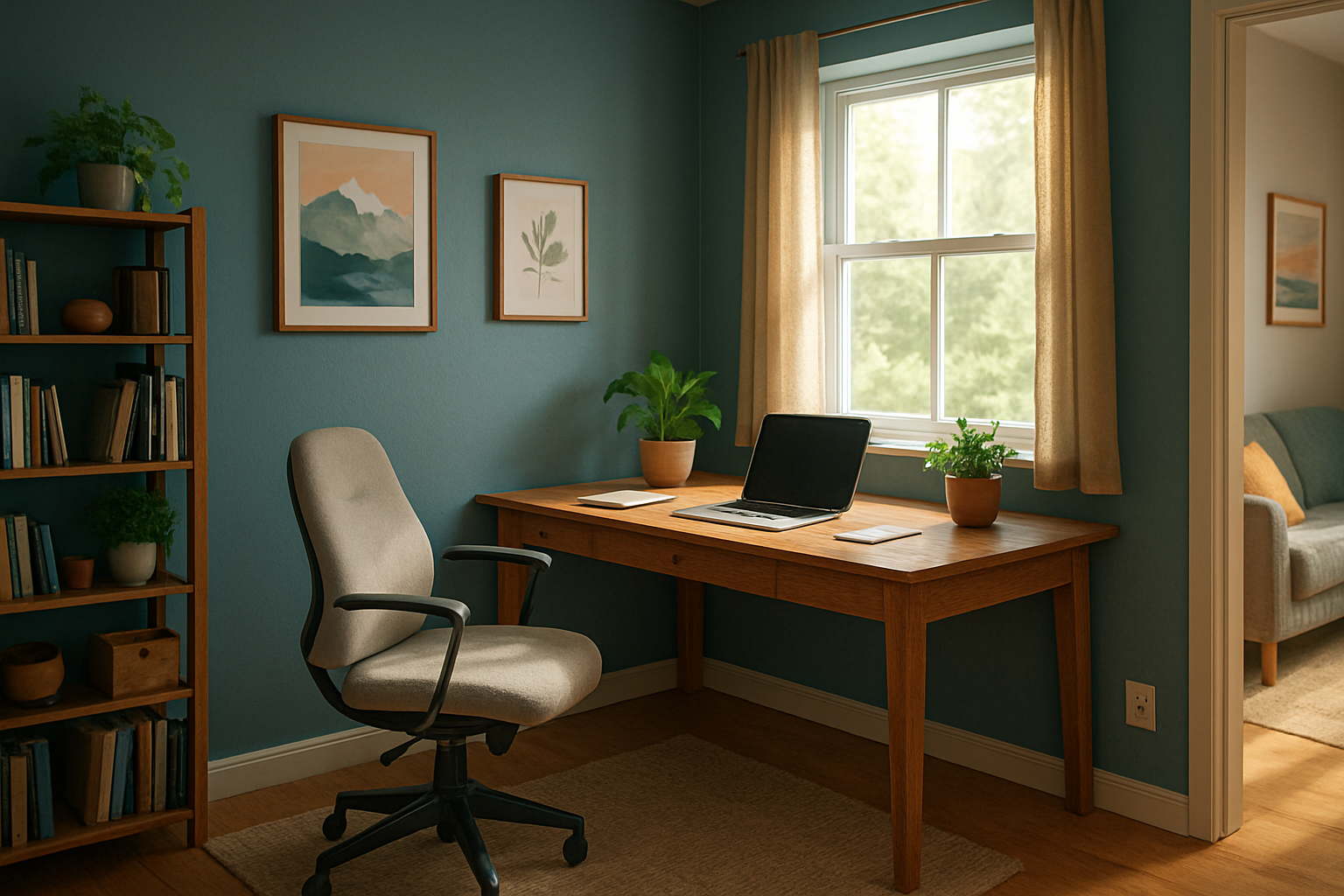
This could be a spare bedroom, a finished basement, a bonus room, or even a quiet corner of your home. The key is intention. When you dedicate a space to working from home, you’re setting boundaries for yourself and for everyone else in the house.
Decorate Your Workspace to Inspire Productivity
Once you’ve chosen your work-from-home spot, it’s time to make it yours.
This isn’t about expensive furniture or trendy office setups; it’s about creating an environment that helps you focus and stay motivated.
That could mean:
- Paint colors that feel calm or energizing
- Artwork or decor that inspires creativity
- A favorite photo, Funko Pop, or personal item
- Background music or ambient sound
When you work remotely from home, your surroundings play a huge role in your mindset. Small changes can make a big difference in how engaged and productive you feel throughout the day.
Comfort Matters More Than You Think When You Work From Home
Here’s where many homeowners get caught off guard.
When you start working from home, you’re suddenly spending much more time in your house during the day, especially in spaces you may not have used often before.
That’s when comfort issues start showing up.
You might notice:
- A cold draft coming from a window
- Airflow from electrical outlets
- Cold floors under your desk
- One room that’s always hotter or colder than the rest
- HVAC is running constantly to keep up
These issues were probably always there, but you weren’t home enough to notice.
Now? They’re impossible to ignore.
Why Home Comfort Directly Impacts Productivity
When your workspace is uncomfortable, your focus suffers.
Cold floors, temperature swings, and drafts don’t just affect how you feel – they interrupt your workflow. Instead of concentrating on your job, your brain is busy compensating for discomfort.
Comfort upgrades aren’t just about luxury. They’re about removing distractions so you can actually do your job well.
Key areas that impact work-from-home comfort include:
- Insulation
- Air sealing
- Windows and wall cavities
- HVAC efficiency
If your home struggles to maintain consistent temperatures, working remotely from home will only amplify the problem.
Add Comfort Issues to Your Priority List
One of the biggest takeaways from working from home is awareness.
When you find something that makes you uncomfortable – drafts, cold floors, uneven temperatures – it’s worth addressing. These issues won’t fix themselves, and they’ll continue to impact both your comfort and productivity.
Improving insulation and air sealing can:
- Reduce drafts
- Stabilize room temperatures
- Make your workspace more comfortable year-round
- Help your HVAC system work more efficiently
And the best part? You don’t have to change how you work – your home does the heavy lifting instead.
Work From Home Comfort Starts with the Right Home Improvements
If you work from home and want your house to support you, comfort should be part of the conversation.
A RetroFoam dealer near you can help identify where air leaks, insulation gaps, and temperature issues are occurring and recommend solutions that make your house a better place to work remotely.
When your home is comfortable, focused work comes easier.
Related Articles
Signs of Poor Insulation: How the Era Your Home Was Built in Predicts Its Problems
Four Benefits of Insulating Your Home
Is it Better to Buy a New Home or Renovate?

FAQs About Working From Home Comfort
Why does my house feel more uncomfortable now that I work from home?
When you’re home all day, you notice temperature swings, drafts, and cold spots that were easy to overlook before.
These issues usually already existed – you’re just experiencing them more often.
Can insulation really help my work-from-home space?
Yes.
Proper insulation and air sealing help maintain consistent temperatures, reduce drafts, and improve overall comfort, especially in rooms used during the day.
What are common comfort problems in home offices?
Cold floors, drafty windows, airflow from outlets, and rooms that don’t match the rest of the house’s temperature are very common in work-from-home setups.
Do I need to renovate my home office to improve comfort?
Not necessarily.
Many comfort issues can be addressed through insulation and air sealing without major renovations or disruptions.
Is improving home comfort worth it if I work remotely part-time?
Absolutely.
Even part-time remote work increases the time you spend at home, and comfort improvements benefit the entire house, not just your workspace.