

If your walls feel cold to the touch or you notice drafts around outlets and light switches, the problem isn’t your furnace.
It’s your walls.
Exterior wall insulation plays a massive role in your home’s comfort, energy efficiency, and even moisture control. When something isn’t right inside those wall cavities, your house will absolutely let you know.
Let’s break down the most common exterior walls insulation problems, how to spot wall insulation problems, and what actually fixes them long-term.
Key Points: Exterior Wall Insulation Problems
• Cold walls, drafts, and uneven room temperatures often point to exterior wall insulation issues.
• No insulation in walls or settled insulation allows moisture and air movement.
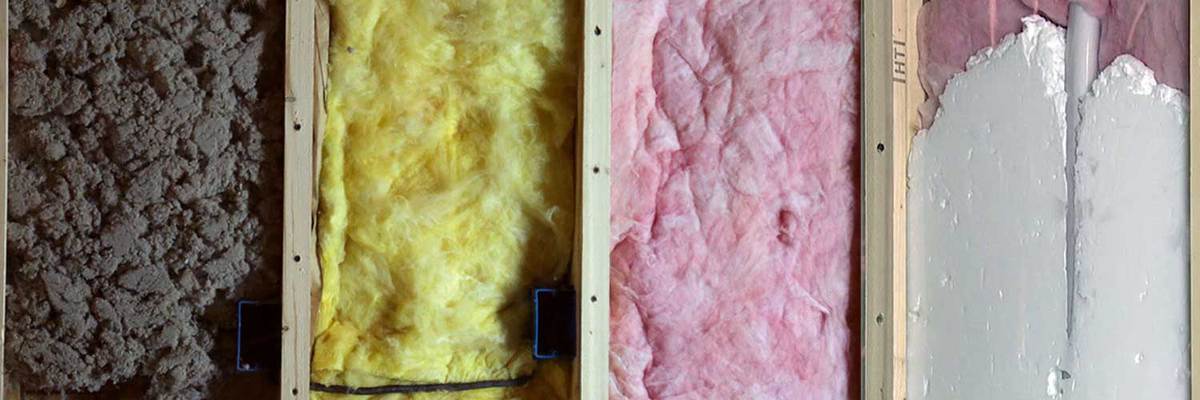
• Traditional insulation materials like fiberglass and cellulose can sag or settle over time.
• Insulation alone is not enough – air sealing is critical.
• Injection foam fully fills the wall cavity, providing both insulation and an air barrier.
• Many comfort problems are predictable building science issues – not HVAC failures.
Issue #1: Moisture Problems Inside Exterior Walls
One of the biggest problems with poor exterior wall insulation is moisture.
Here’s what’s happening behind the drywall:
When there’s little to no insulation in walls, outside air can move into the wall cavity. That movement allows moisture to enter. Traditional insulation, like fiberglass and cellulose, can absorb and hold that moisture.
And that’s where the real problems begin.
What Moisture in Walls Can Lead To
- Mold and mildew growth
- Structural wood damage
- Potential health concerns
- Reduced insulation performance
When insulation holds moisture, it stops doing its job effectively. Over time, that damp environment can compromise your home’s structure.
The Building Science Fix
Wall cavities must be fully insulated and air-sealed.
This is where injection foam insulation has an advantage. Unlike fiberglass or cellulose, injection foam:
- Does not retain moisture
- Does not provide a food source for mold
- Creates a continuous air seal
- Improves comfort and energy efficiency
If you suspect exterior wall insulation problems and moisture is part of the equation, simply adding more traditional insulation isn’t always enough. Air movement must be addressed.
Issue #2: Old, Degraded, or Settled Insulation
You might be thinking: “But I already have insulation in my walls.”
That may be true, but insulation doesn’t always stay where it was originally installed.
Fiberglass can sag.
Cellulose can settle.
Older insulation can shift over time.
When that happens, empty gaps form in the wall cavity. And those gaps become highways for air movement.
Signs of Old or Settled Insulation
- Cold winters and hot summers inside your home
- Uneven room temperatures
- An HVAC system is constantly running
- High energy bills
This is one of the most common reasons homeowners experience comfort issues – even when insulation technically exists.
The Long-Term Solution
If you want to properly insulate exterior wall cavities, the material must completely fill the space.
Injection foam is designed to fill the entire cavity. It doesn’t sag. It doesn’t settle. And once installed, it stays in place for the lifetime of the home.
When you insulate exterior wall cavities properly, you eliminate those empty air pockets that cause energy loss and discomfort.
Issue #3: Condensation Forming in the Walls
Condensation inside exterior wall insulation systems is a major red flag.
Here’s the science:
- Warm indoor air leaks outward
- It meets cold exterior temperatures
- Moisture condenses inside the wall cavity
This is especially common in colder climates, but it can happen anywhere when air sealing is poor.
What Condensation in Walls Can Cause
- Mold and mildew
- Paint bubbling or peeling
- Long-term wall damage
- Reduced insulation performance
Many homeowners assume insulation alone will fix this issue.
However, insulation alone is not enough.
Fiberglass and cellulose slow heat transfer, but they do not stop air movement on their own. That air movement is what allows condensation to form.
Why Air Barriers Matter
Injection foam acts as both insulation and an air barrier.
By stopping airflow inside the cavity, you significantly reduce the chance of condensation forming in the first place.
If you’re researching exterior wall insulation and considering the disadvantages of external wall insulation systems, one of the biggest drawbacks of traditional materials is their inability to block airflow.
Air sealing is the difference-maker.
Issue #4: Walls are Cold to the Touch
Have you ever touched your exterior walls just to see what the temperature is outside?
If your walls feel like an ice chest in winter, it’s usually because:
- Insulation is missing
- Insulation has settled
- The original installation was improper
- There are large voids around windows
Cold walls are a classic sign of no insulation in walls or insulation that isn’t performing.
Other Signs That Go Along with Cold Walls
- Uneven room temperatures
- Constant furnace operation
- High energy bills
- Cold spots near windows
To properly insulate exterior wall cavities, the space must be completely filled. Even small voids can create noticeable comfort issues.
And don’t forget the windows. Insulating around window openings helps seal off hidden gaps that contribute to those cold surfaces.
Issue #5: Drafts Around Outlets and Light Switches
If you feel air coming through outlets or light switches, your wall cavity is acting like a wind tunnel.
This happens when:
- There’s little to no insulation in walls
- Traditional insulation allows air movement
- Gaps exist inside the cavity
Air moves freely inside the wall and escapes through electrical boxes and small openings.
How to Fix it
- Completely fill the wall cavity with insulation
- Use a material that creates an air seal
- Seal around outlet boxes with canned foam
Injection foam creates a long-term air seal inside the cavity, dramatically reducing drafts.
When you combine full cavity fill with targeted air sealing around penetrations, those wind tunnel effects disappear.
How to Spot Wall Insulation Problems in Your Home
If you’re wondering how to spot wall insulation problems, look for these warning signs:
- Cold walls in winter
- Drafts around outlets or switches
- Uneven room temperatures
- HVAC system running constantly
- High utility bills
- Paint bubbling or peeling
- Signs of moisture or mold
Comfort problems aren’t random. They’re predictable building science issues.
When insulation is missing, settled, or poorly installed, your home responds in very specific ways.
Comfort Problems Aren’t Random
Drafts, moisture, cold spots, and high energy bills often point to exterior wall insulation problems.
Most of these issues come down to:
- Missing insulation
- Settled insulation
- Lack of air sealing
If your walls are trying to tell you something, it’s worth listening.
Because when you insulate exterior wall cavities properly and seal air movement, you’re not just adding insulation – you’re fixing the science behind the problem.
If you want to learn more about making your home airtight and more comfortable, check out our Learning Center.
Related Articles
How to Tell if There is Insulation in the Wall
What Causes Condensation on Walls in a Home?
The Best Method to Retrofit Wall Insulation

Frequently Asked Questions About Exterior Wall Insulation
How do I know if I have no insulation in the walls?
Cold surfaces, drafts, and high energy bills are strong indicators.
A professional inspection or thermal imaging scan can confirm it.
Can I insulate exterior wall cavities in an existing home?
Yes.
Injection foam can be installed into existing wall cavities through small access holes, making it a common solution for older homes.
Is insulation alone enough to stop drafts?
Not always.
Insulation must also act as an air barrier to stop air movement inside the wall cavity.
What is the best way to insulate exterior wall cavities?
The cavity should be fully filled with a material that doesn’t settle and provides air sealing.
The right solution depends on your home’s structure and current insulation condition.
Can wall insulation fix high energy bills?
If the root cause is air leakage or missing insulation in exterior walls, properly insulating and air sealing can significantly improve efficiency.