

If you’ve been researching foam board insulation and wondering what it is, what it’s made of, and whether it’s right for your home, you’re in the right place.
While we specialize in RetroFoam injection foam insulation, we also make it our business to know everything about building science, including other insulation options, so our network of dealers can help homeowners make the best-informed decision.
Now, back to foam board insulation.
Foam board, also called rigid foam board insulation, is one of those materials that sounds simple, but how it performs really comes down to how and where it’s used. In this article, we’re breaking down what foam insulation board is, how it works, where it makes sense, and where it doesn’t – all in plain English.
Key Points About Foam Board Insulation
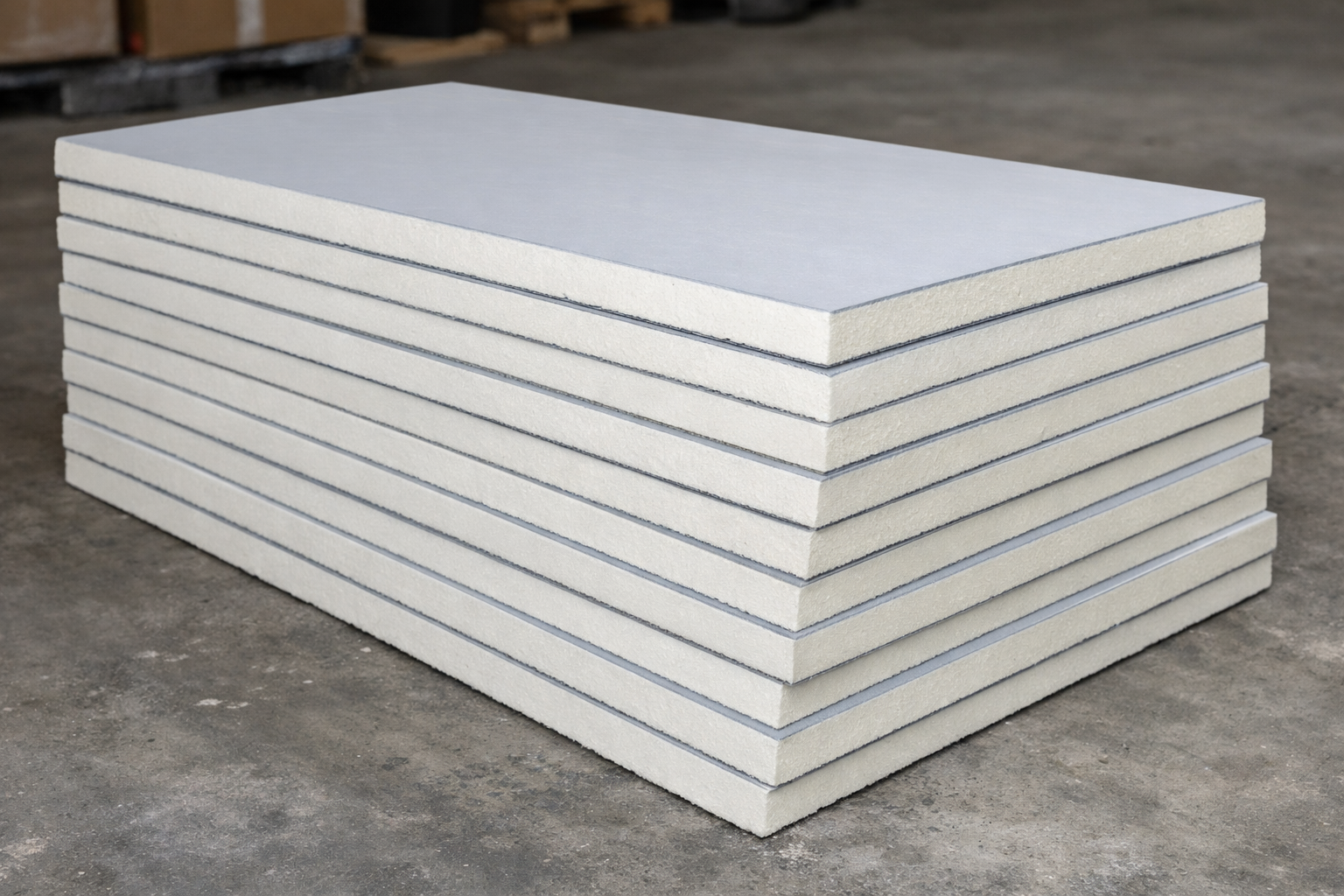
• Foam board insulation is a rigid panel made from plastic-based foam.
• It comes in sheets and is cut to fit open spaces like walls, basements, and rim joists.
• Common types include polystyrene, polyisocyanurate, and polyurethane.
• It helps slow heat transfer, but does not automatically air seal your home.
• Seams must be sealed properly to prevent air leaks.
• Works well in basements and exposed areas, but not ideal for finished walls without demo.
• Proper installation is critical because gaps can reduce the material's performance.
What is Foam Board Insulation?
Let’s start simple.
Foam insulation board is exactly what it sounds like – a rigid panel made from foam that’s cut into sheets and installed into open cavities in the home, according to the U.S. Department of Energy.
You’ll typically see it in:
- Basement walls
- Rim joists
- Exterior sheathing
- Attics
- Crawl spaces
Because it comes in large sheets, it’s often trimmed to size during installation. If you’re wondering what foam board is used for in finished walls, here’s the catch: You’ll need access to the wall cavity, which usually means removing drywall.
What is Foam Board Insulation Made Of?
There are three main types of rigid foam board insulation, and while the names sound a little intimidating, the differences are pretty straightforward.
1. Polystyrene
- Comes in expanded (EPS) or extruded (XPS) forms
- Lightweight and commonly used
- Good moisture resistance, depending on the type
2. Polyisocyanurate (Polyiso)
- Higher R-Value per inch
- Often has a foil facing for added moisture and heat reflection benefits
3. Polyurethane
- Dense and effective
- Less common in board form, but still part of the rigid foam family
The main differences between these materials come down to:
- Density
- Moisture resistance
- Manufacturing process
Some foam boards also include foil facings, which can help manage moisture and reflect radiant heat when installed properly.
How Does Foam Board Insulation Work?
At its core, foam board insulation works by slowing down heat transfer.
Heat naturally moves from warm areas to cooler ones. Foam board creates a barrier that makes it harder for that heat to pass through walls, ceilings, or foundation surfaces.
One of its biggest advantages?
When installed continuously across framing, it can help reduce thermal bridging – which is heat loss through studs and framing materials.
But here’s the important part.
Foam board does not automatically air seal your home.
If seams, edges, and joints aren’t sealed properly, air can still move around the boards.That means drafts, energy loss, and comfort issues still exist – even if insulation is present.
Pros and Cons of Foam Board Insulation
Like any insulation material, foam board has its strengths and limitations.
Pros of Foam Board Insulation
- Water-resistant, making it great for basements and below-grade applications
- Strong performance even in thinner applications
- Works well in exposed areas
- Can be a DIY-friendly option for experienced homeowners
- Ideal for areas like rim joists and foundation walls
Cons of Foam Board Insulation
- Every seam must be sealed to prevent air movement
- Requires precise cutting and fitting
- Poor installation can significantly reduce effectiveness
- Not ideal for finished walls unless you’re willing to remove drywall
- Doesn’t provide a complete air seal on its own
How to Cut Foam Board Insulation
If you’re tackling a DIY project, knowing how to cut foam board insulation is key to getting a proper fit.
Here’s the approach.
- Measure the space carefully
- Mark your cut line clearly
- Use a utility knife, hand saw, or specialized foam cutting tool
- Score the board and snap it, or cut all the way through, depending on the thickness
Clean, accurate cuts matter because gaps can lead to air leakage and reduced performance.
How to Install Foam Board Insulation
If you’re wondering how to install foam board insulation, the process depends on where it’s going, but the fundamentals stay the same.
Basic Installation Steps
- Measure and cut the board to fit the cavity
- Place the board tightly into position
- Seal all seams and edges using tape, caulk, or spray foam
- Secure the board if needed (adhesives or fasteners, depending on application)
The most important step? Sealing the seams.
Even perfectly cut boards won’t perform well if air can move around them.
Where Foam Board Insulation Installation Makes Sense
Foam board shines in specific applications, including:
- Basement walls
- Rim joists
- Exterior sheathing
- Crawl spaces
- Areas where space is limited but insulation is needed
These are places where its rigidity, moisture resistance, and thin profile really work in your favor.
Where Foam Board Might Not Be the Best Fit
Foam board isn’t always the right answer.
It may not be ideal for:
- Finished walls (unless you’re doing demolition)
- Projects where air sealing is the main goal
- Areas requiring insulation around irregular shapes
In these cases, other insulation options that expand or conform to spaces may perform better.
Foam Board Insulation is Only as Good as the System
Here’s the big takeaway.
Foam board insulation is a solid material when it’s used in the right place and installed correctly. But just like any insulation, it’s only one piece of the puzzle.
If your home is uncomfortable, the solution isn’t just picking a material – it’s identifying the root problem:
- Air leaks
- Poor insulation coverage
- Moisture issues
- Thermal bridging
Solve the problem first, then choose the material that fits the job.
If you want to learn more ways to improve your home’s comfort and energy efficiency, check out the Learning Center for more articles, videos, and resources.
Related Articles
What is Spray Foam Insulation?
What is Fiberglass Insulation? Pros, Cons, and Performance
What is Cellulose Insulation? Pros, Cons, R-Value, and Safety

FAQs About Foam Board Insulation
What is foam board insulation used for?
Foam board insulation is commonly used in basements, rim joists, exterior walls, and other open cavities where rigid panels can be installed.
Is foam board insulation a good option?
It can be a great option in the right applications, especially where moisture resistance and thin insulation layers are needed.
Does foam board insulation air seal?
No.
Foam board does not automatically air seal. Seams and edges must be sealed properly to prevent air movement around the material.
How do you install foam board insulation correctly?
Proper installation includes precise cutting, tight fitting, and sealing all seams and gaps to prevent air leakage.
Can you install foam board in existing walls?
Yes, but it typically requires removing drywall to access the wall cavity.
What is the best way to cut foam insulation board?
A utility knife or saw works best.
Clean, accurate cuts are important to ensure a tight fit and proper performance.